
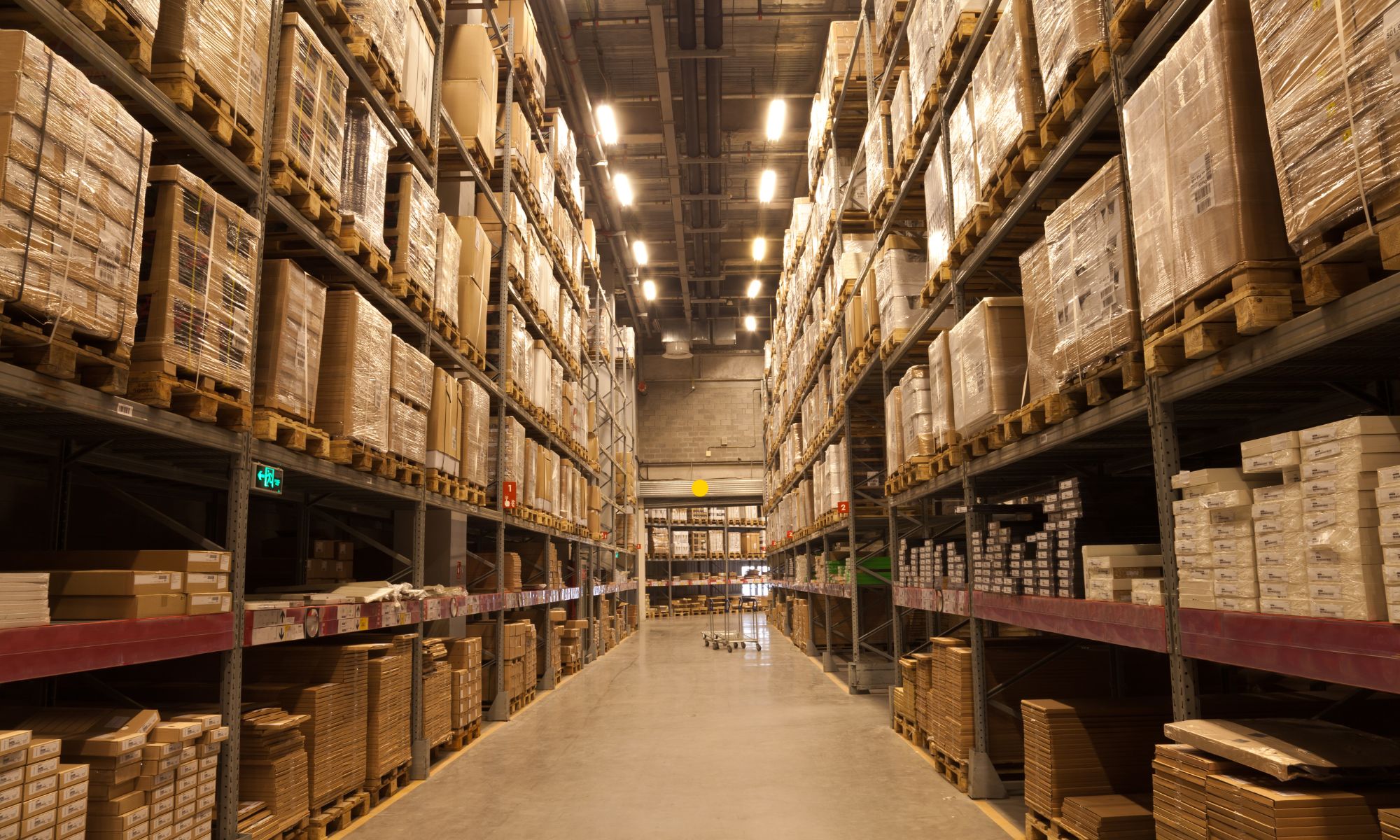
The East African Community Customs Management Act, 2004 (“EACCMA”) provides that imported goods liable to import duty may be warehoused without payment of the requisite duties. Such goods may be warehoused in a Government warehouse or a bonded warehouse (whether general or private), commonly referred to as Customs bonded warehouses. Goods which are warehoused may subsequently be cleared for inter alia home consumption, exportation, or for use as stores for aircrafts or vessels. Customs bonded warehouses are operated under the supervision of Customs; bond security is executed to guarantee the deferred duties on the goods stored therein. Goods at the warehouse may undergo repackaging, breaking bulk and labelling, but their identity is largely preserved. Where the goods are entered for home consumption, duties are paid before release.
In Kenya, customs warehousing involves specific Customs Bonds (CBs) required by the Kenya Revenue Authority (KRA) to guarantee that import duties and taxes are paid if goods are not properly accounted for or exported. These bonds are managed through the KRA's Integrated Customs Management System (iCMS).
The most common types of customs bonds related to warehousing and cargo movement in Kenya are:
CB3 (Warehousing Bond): Used for the warehousing of goods or the removal of warehoused goods to another approved location. It allows an importer to defer the payment of import duties until the goods are officially removed from the bonded warehouse for domestic use.
CB6 (General Bond for Bonded Warehouses): A general security bond required for the ongoing operation and security of a licensed bonded warehouse or transit godown.
CB2 (Removal Bond): Used for the removal of goods from one customs port or place (e.g., the Port of Mombasa) to be examined and entered at another specific inland place (e.g., an Inland Container Depot or a bonded warehouse).
CB4 (Re-exportation Bond): Required for warehoused goods that are destined to be exported out of Kenya, ensuring that duties remain uncollected since the goods are not entering the local market.
CB1 (Perishable Goods Bond): Allows for the delivery of highly perishable or sensitive goods before the final payment of duties, provided a bond is in place.
CB18 (Transit/Shed Bond): Specifically used for the removal and safe custody of transit cargo passing through Kenya or held in transit sheds.
CPZB (EPZ Bond): Specifically used for warehousing and removal of goods to and from Export Processing Zones (EPZ)
Types of Customs Bonded Warehouses
- General
- Medical and Pharma Technologies-for pharma goods and products only
- Chemical-for chemicals only
- Manufacturing
Benefits of Bonded Warehousing
Bonded warehousing typically provides businesses with benefits such as:
Cash flow management: payment of import duty, including Value Added Tax (“VAT”) and Excise duty, on warehoused goods is deferred until the goods are ready for local sale and can be cleared for home consumption.
Stock management: stock levels may be managed conveniently, i.e., goods may be stored in a warehouse in readiness for stock replenishment without necessarily having to wait for new imports which may be fraught with delays, especially where sea freight is involved. This also ensures continuous production as raw materials are kept within the country rather than imported when required.
Export planning: businesses that deal in exports have time to source for customers after which goods may be cleared from the warehouse directly for export without the requirement to pay duties.
Eligible Goods for Storage in Bonded Warehouses
- Imported Goods. Businesses primarily use bonded warehouses to store imported goods that have not yet cleared customs. This can include a wide array of products such as electronics, apparel, machinery, pharmaceuticals, and raw materials, among others.
- Unmanufactured Goods Raw materials or unmanufactured products intended for further processing or assembly are commonly stored in bonded warehouses. For example, these can include raw metals, chemicals, textiles, and agricultural products.
- Perishable Goods In some cases, businesses store perishable items like food, flowers, and pharmaceuticals in specialized bonded warehouses equipped with appropriate facilities, which ensure controlled temperature and humidity conditions.
- High-Value Goods Businesses often store expensive and high-value goods such as jewelry, luxury items, and high-end electronics in bonded warehouses to defer taxes and duties until these products are sold or distributed.
- Goods for Re-Export In addition, goods intended for re-exportation, such as products awaiting distribution to multiple destinations, can also be stored in bonded warehouses.
Restricted and Prohibited items in bonded warehousing
While bonded warehouses offer advantages for storing a wide range of goods, certain restrictions and prohibitions apply to the types of items that businesses can store. These rules ensure compliance with legal, safety, and public health regulations. Below are some common restrictions and prohibited items:- Hazardous Materials Bonded warehouses typically do not accept hazardous or dangerous goods. These include explosives, flammable liquids, radioactive materials, and toxic substances.
- Contraband and Illegal Items Goods that are illegal to possess, trade, or transport cannot be stored in bonded warehouses. Examples include counterfeit goods, illegal drugs, smuggled items, and stolen goods.
- Perishables Without Proper Facilities Although some bonded warehouses can accommodate perishable goods, those without proper temperature and humidity control facilities are unable to store such items due to the risk of spoilage and contamination.
- Live Animals and Plants Bonded warehouses generally do not accept live animals or plants, as these require specialized care and conditions that the facilities cannot provide.
- Restricted by Trade Agreements or Laws Goods restricted by international trade agreements, embargoes, or domestic laws may also be ineligible for storage in bonded warehouses. These restrictions vary depending on the country and specific regulations in place.
Understanding the types of goods that are eligible for storage in bonded warehouses and being aware of the restrictions and prohibited items is crucial for businesses engaged in international trade. Adhering to these guidelines ensures compliance with regulations and smooth operations within the bonded warehousing system, contributing to an efficient and cost-effective supply chain management process.
Contact us about getting bonded warehousing solutions.