
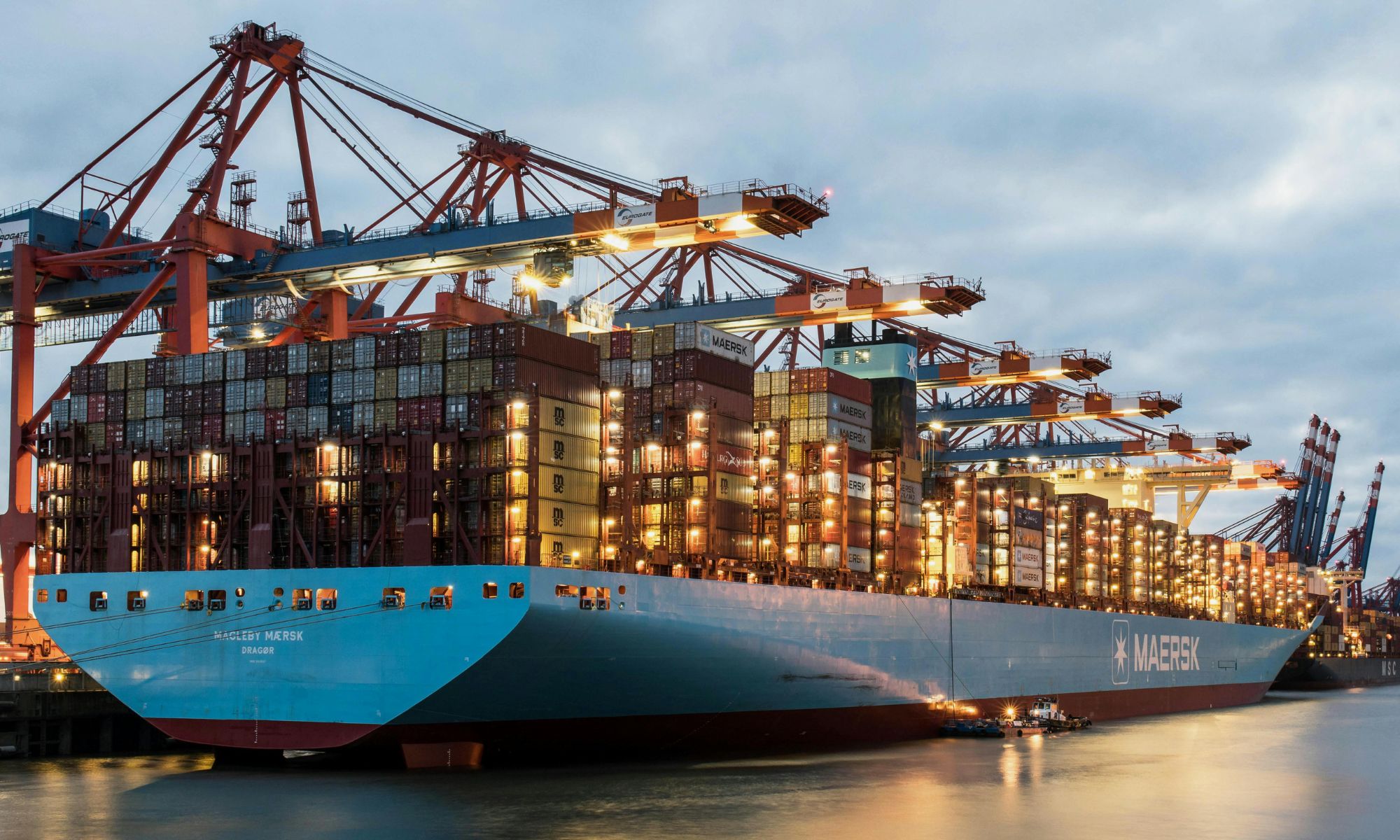
Maersk has completed its first commercial voyage through the Red Sea in nearly two years, marking a notable moment for global shipping following prolonged disruptions linked to regional security risks.
While this single transit does not indicate a full reopening of the Red Sea route, it represents a cautious and closely monitored step that many in the industry have been watching for.
Why the Red Sea Has Been Avoided
Since late 2023, most major carriers diverted vessels away from the Red Sea and Suez Canal due to security concerns, opting instead for longer Cape of Good Hope routings. These diversions significantly increased transit times, tightened effective capacity, and pushed freight rates higher across key Asia–Europe trade lanes.The result was a structural shift in how global shipping networks operated throughout 2024 and 2025.
What This First Transit Really Means
Maersk’s completed voyage is best understood as a test case rather than a return to normal operations. Carriers remain highly cautious, balancing operational efficiency against safety, insurance costs, and geopolitical uncertainty.
At this stage:
- There is no confirmed timeline for widespread Red Sea transits to resume
- Any return is expected to be phased and selective, not immediate or uniform
- Cape routings remain the dominant option for most services
Implications for Capacity, Rates, and Reliability
A broader return to the Red Sea would eventually shorten voyage distances and release capacity back into the market. However, even limited or selective transits can introduce short-term volatility, particularly around schedules and port congestion as networks rebalance.
For shippers, this means:
- Continued variability in transit times
- Potential pricing fluctuations as routing strategies evolve
- The need for flexible planning rather than fixed assumptions
What Shippers Should Do Now
Rather than reacting to headlines, businesses should focus on preparedness:
- Review routing flexibility with logistics partners
- Plan for mixed scenarios rather than a single “return” outcome
- Monitor carrier behaviour, not just announcements
Turning Market Insight Into Strategy
Maersk’s Red Sea transit is a meaningful signal, but not a turning point on its own. The path toward normalised routing will likely be gradual, uneven, and influenced by wider geopolitical and commercial factors.
For shippers, the priority remains resilience, visibility, and strategic planning in a market that is still evolving.
Contact us about navigating route uncertainty.